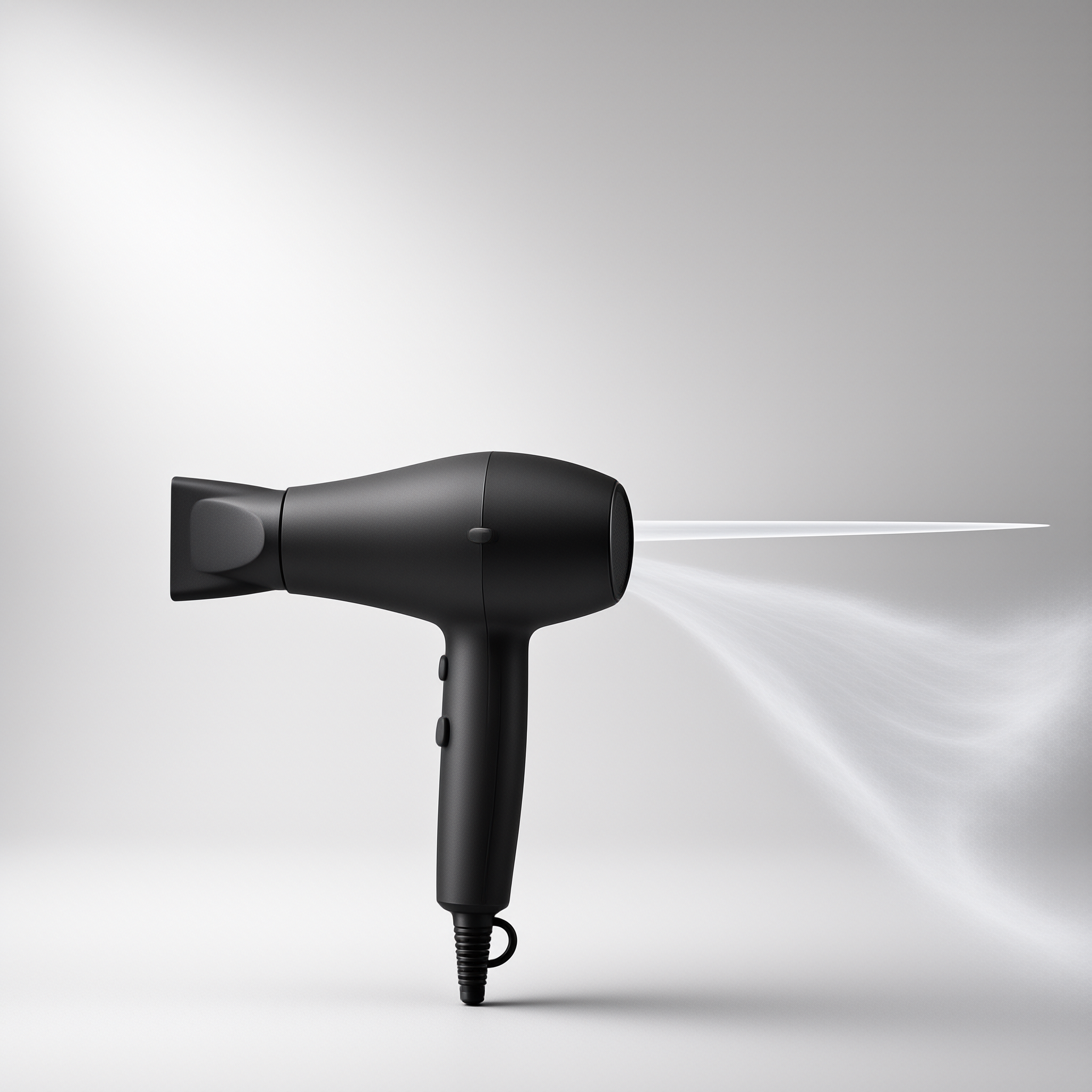
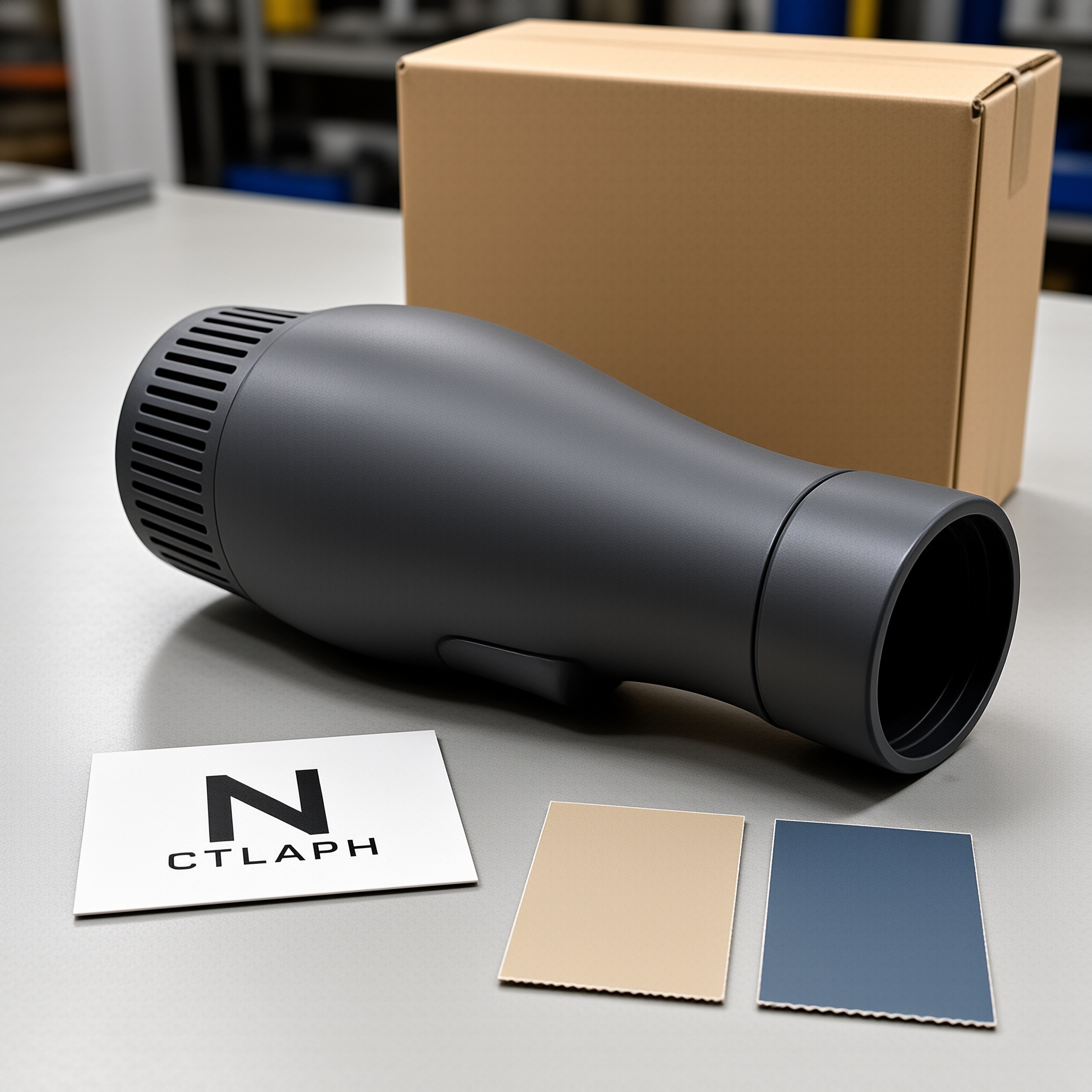
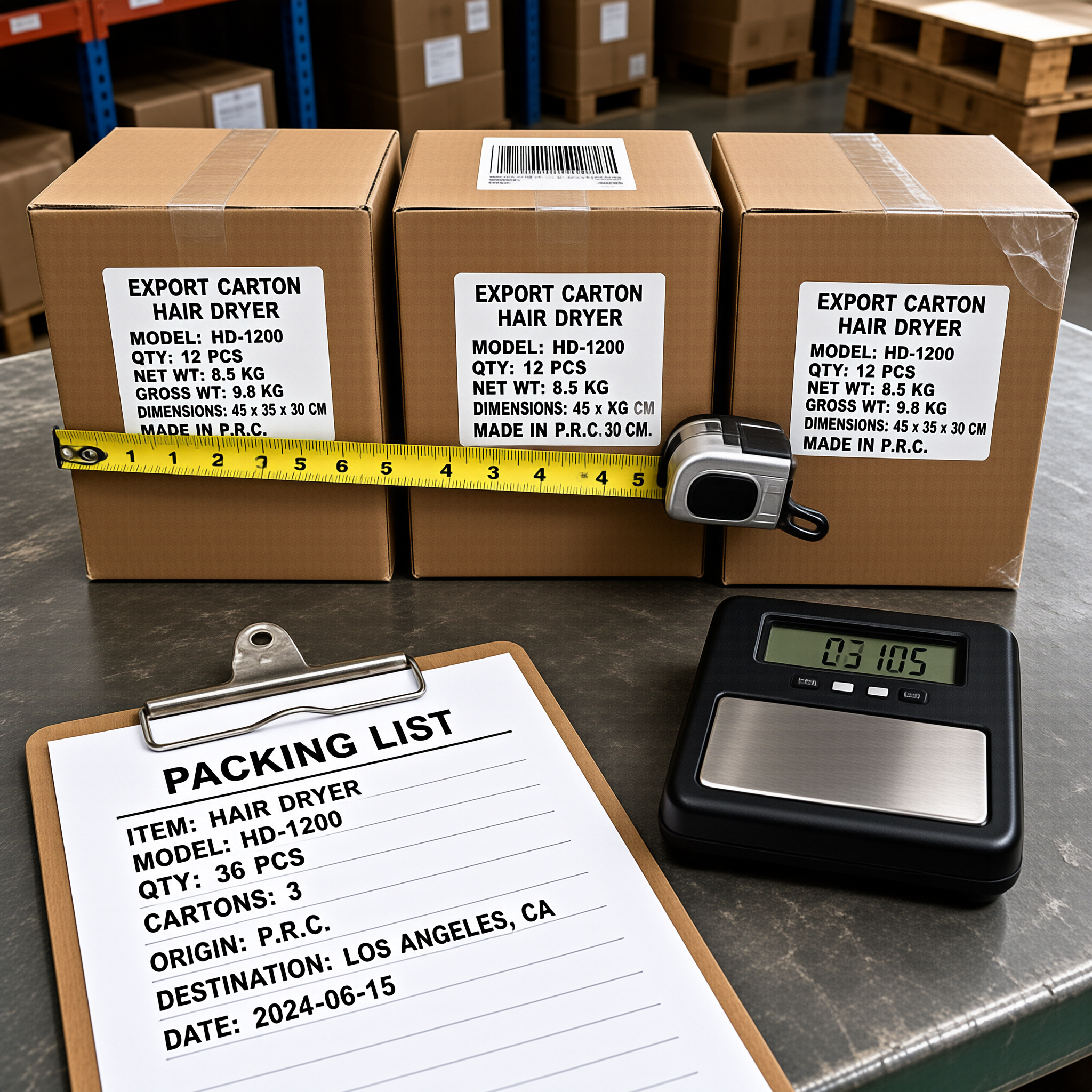
For wholesale hair dryers, a localized SKU mix is the smallest set of model, plug, voltage and colour combinations that lets each destination market sell without dead stock. Get the plug wrong and the rest of the range is unsellable.
Build it in five steps: lock plug and voltage for every market, map models to market demand, collapse combinations that share housing and tooling, size the order against MOQ from 100 units per model, then confirm certification names market by market. Each step removes options before the next one begins, so the range shrinks instead of growing.
Key Takeaways
Lock plug and voltage first — a wrong cord set makes every later SKU decision irrelevant.
MOQ starts from 100 units per model, and models and colours can combine in one order.
A 2,000 W dryer draws about 20 A at 100 V versus 8.7 A at 230 V, so cap wattage per market.
Collapse variants that share housing and tooling before you count SKUs.
Re-verify certification whenever plug, cord set or rated voltage changes for a market.
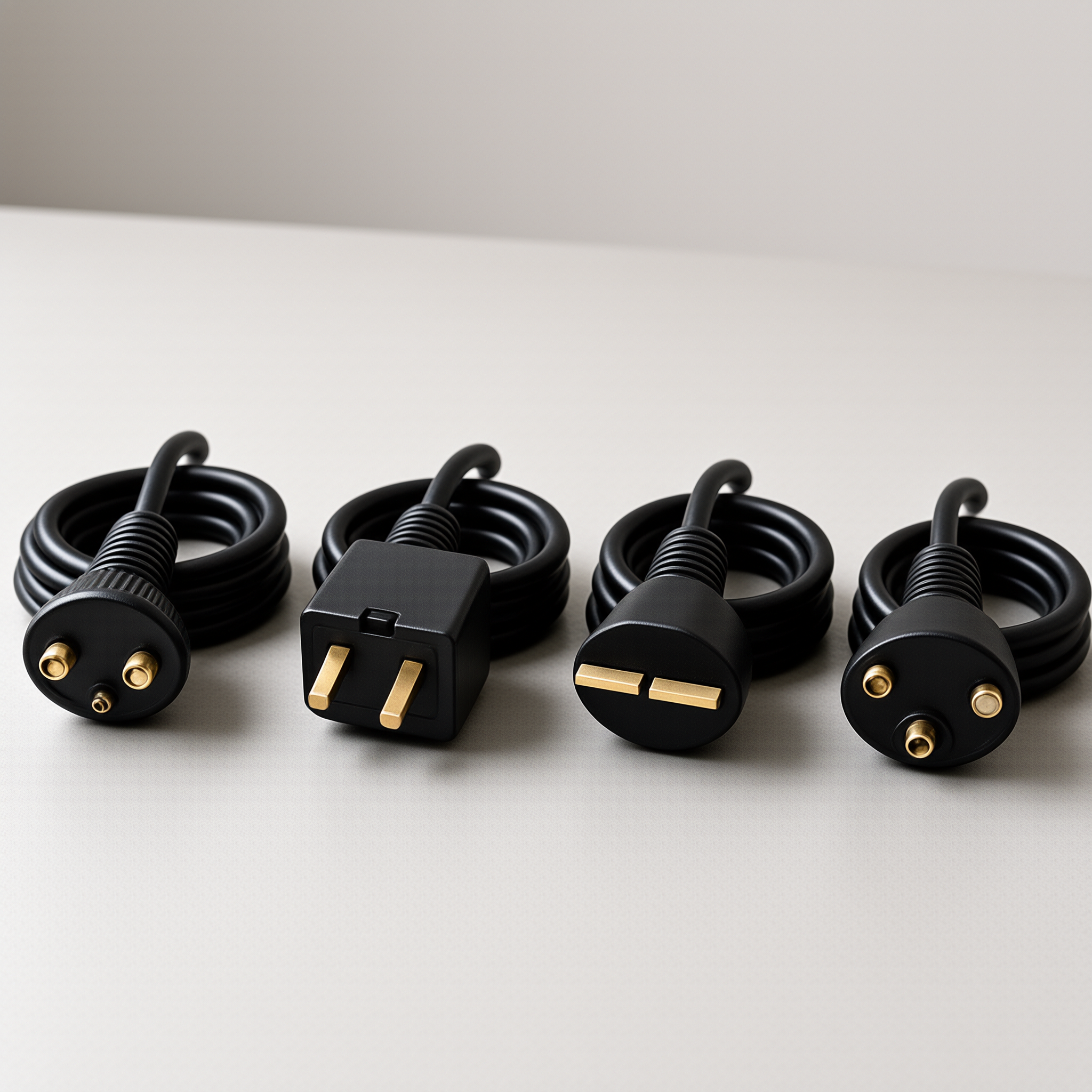
A wrong cord set makes every other SKU decision irrelevant, however good the model.
The Core Framework: Five Variables That Define a Localized Hair Dryer Range
Five variables control a localized range: plug type, rated voltage, wattage ceiling, colourway, and packaging with manual language. Everything else — model count, accessories, carton size — follows from those five.
Plug and voltage decide the cord set and the nameplate rating, so they determine whether one housing can serve several markets or needs separate tooling. Colourway and manual language multiply the count afterwards, which is why two models in four colours and two plug types become sixteen sellable combinations rather than two.
Three models, four colourways and two plug variants produce twenty-four combinations on paper. With a minimum of 100 units per model and models and colours combinable in one order, that list is still buyable — but every extra colourway adds its own packaging, label and manual setup work.
Plug type — the cord set the destination sockets actually accept.
Rated voltage — 100-120 V or 220-240 V, a production decision rather than a label change.
Wattage ceiling — capped by the destination circuit, not by the hero spec sheet.
Colourway — multiplies SKU count faster than any other variable.
Packaging and manual language — per market, per colour, per carton.
Plug and Voltage: The First Filter Before You Choose a Single Model
Plug and voltage come before model selection. The destination decides the cord set, the nameplate voltage and whether a fuse is required.
A Europlug (CEE 7/16) is rated 2.5 A at 250 V and seats in type C, E and F socket outlets (IEC/TR 60083), so an EU plug hair dryer can share one housing across most EU and EFTA markets. The UK's fused plug is a different component entirely, so the change happens in the cord set, not on the production line.
Recommended procedure: build one plug-and-cord-set golden sample per destination market. Check pin geometry, fuse presence where the market requires it, cord length, strain relief and the rating marking against the destination plug standard drawing, then sign that sample off as the reference for every production batch. AC power plugs and sockets by country is the fastest way to confirm socket types before the check sheet is drawn.
Market-by-Market SKU Mapping: EU, UK, North America and Asia-Pacific
Four destination groups do most of the work: EU and EFTA, UK and Ireland, North America, and Asia-Pacific. Mapping models to markets only makes sense after the plug filter has run.
Plug and voltage standards cluster geographically, so a market map is really a cord-set map plus a wattage ceiling. Where a market runs 100-120 V, the same heating element draws roughly twice the current of a 230 V build, so the ceiling has to be set per group rather than per catalogue.
UK plugs to BS 1363 are fused and require a defined pin layout, sleeve length and cord anchorage, which is why a UK cord set is not interchangeable with an EU one (BS 1363). Checking hair dryer plug types by country at quotation stage is cheaper than re-quoting the range after the first shipment lands.
| Market group | Plug standard | Nominal voltage | Cord set note | Wattage planning |
|---|---|---|---|---|
| EU / EFTA | CEE 7/16 Europlug, CEE 7/7 Schuko | 220-240 V, 50 Hz | Shared housing, market-specific cord set | Higher ceiling acceptable |
| UK / Ireland | BS 1363 (fused) | 230 V, 50 Hz | Fused plug, longer insulated pins | Same element, different cord set |
| North America | NEMA 1-15 / 5-15 | 120 V, 60 Hz | Flat-pin, grounded or ungrounded | Lower ceiling: current roughly doubles |
| Japan | NEMA 1-15 style | 100 V, 50/60 Hz | Flat-pin, no earth pin | Lowest ceiling of the four |
| Australia / NZ | AS/NZS 3112 | 230 V, 50 Hz | Insulated pins | Higher ceiling acceptable |
EU and EFTA: Europlug and Schuko Cord Sets at 230 V
One 230 V housing covers Germany, France, Spain, Italy and the Nordic markets once the cord set is right. The Europlug suits lower-current appliances, while higher-wattage dryers usually ship with a Schuko-style cord set for a solid earth connection.
Keep the housing identical and vary only the cord set and manual language. That single decision removes more SKUs than any model rationalisation exercise.
UK and Ireland: Fused BS 1363 Plugs
A UK variant needs a fused plug, a defined pin layout and tested cord anchorage. The fuse rating has to match the appliance rating, and the marking on the plug must agree with the nameplate.
Treat the UK as its own cord-set SKU even when the dryer inside is identical to the EU build. Retail buyers check the plug before they read the spec sheet.
North America: 120 V and NEMA Configurations
North America runs 120 V at 60 Hz, so a 230 V build cannot simply be re-labelled. The heating element, the motor feed and the plug all change, and FCC and ETL certification apply.
A small trial order is the normal entry: one or two models, one colourway, the correct plug and a wattage ceiling the household circuit can carry.
Asia-Pacific: 100 V Japan vs 220-240 V Markets
Japan sits at 100 V with two supply frequencies, which makes it the most constrained market in the region. Australia, New Zealand and most of Southeast Asia run 230 V and accept higher wattage.
Do not bundle Japan into a general Asia-Pacific SKU count. It behaves like a separate voltage family and needs its own nameplate, manual and certification check.
Entry Power Tier vs Premium Power Tier: Where the Margin Actually Sits
Entry tier protects cash flow and shelf turnover; premium tier protects margin per unit. Most distributor margin sits in one shared housing sold at two wattage levels, not in a dedicated hero model.
At 100-120 V nominal, a 2,000 W hair dryer draws roughly 17-20 A, which can exceed a standard 15 A household branch circuit; at 230 V the same wattage draws about 8.7 A (derived from P = V × I for resistive loads). That arithmetic, not marketing, sets the wattage ceiling per market.
On a 15 A branch at 120 V, the practical ceiling lands near 1,800 W before nuisance tripping. Choose the entry tier if the channel is discount-led and a tooling change cannot be justified; choose the premium tier if the destination wiring supports the higher draw and an accessory bundle can be sold with it.
| Dimension | Entry tier | Premium tier |
|---|---|---|
| Wattage ceiling | Set by the destination circuit | Higher, only where the circuit allows |
| Housing | Usually shared across markets | Often a distinct tooling set |
| Certification work | One verification per market | Re-verification per variant |
| Margin driver | Volume, turnover, shelf space | Attachments, brand, salon channel |
| Best fit | Discount and supermarket channels | Salon and specialist retail |
At 100 V a 2,000 W dryer pulls about 20 A — cap wattage per market, not per catalogue.
How to Vet a Hair Dryer Manufacturer in China Without Flying There
Remote vetting rests on four checks: the certification names held for the exact model, a signed golden sample, a current audit report, and a paid sample round before bulk.
Documents and physical samples carry most of the information a factory walk-through provides, provided the sample is signed as a production reference rather than treated as a marketing photo prop. A visit adds observation; the paperwork adds traceability that survives staff changes.
Ask the hair dryer manufacturer in China which certification names apply to the model you intend to order — CE, UKCA, RoHS and CB for Europe and the UK, plus FCC and ETL for North America — and confirm that the ISO 9001 quality management standard covers the line that will run your order rather than a sister plant.
Certification names held, matched to the exact model and cord set you are buying.
A signed golden sample per plug type and voltage, kept as the batch reference.
An audit report with a date you can verify, plus the scope it covers.
A paid sample round with the retail packaging, not a plain brown box.
Written confirmation of the rated wattage, nameplate voltage and fuse rating.
MOQ, Sampling and Cost Structure: What 100 Units per Model Actually Buys You
MOQ from 100 units per model buys a real assortment test rather than a single hero SKU. Models and colours can be combined in one order, so a distributor can put several colourways on shelf without container-scale volume per variant. In practice, wholesale hair dryer MOQ and sampling terms shape the range before price does.
Setup cost — packaging plates, label artwork, manual printing, plug and cord-set verification — is paid once per variant, not once per unit. Spreading 100 units across five colourways keeps the assortment wide but divides that setup across a smaller run, which is the real cost of breadth.
Range-sizing procedure: tabulate every model × colour × plug × voltage combination on one sheet, then strike out combinations that share the same housing and tooling. What survives is the real SKU count to quote — usually higher than the buyer's first draft, because colourways multiply faster than models.
Housing and airflow changes are a different project type: the minimum is higher, tooling-dependent, and scheduled on tooling lead time rather than the standard 25-35 day bulk window.
Logo printing or laser marking on the housing.
Colour selection within an approved colourway set.
Retail packaging and manual in the destination language.
Plug and cord set matched to the destination market.
Sample approval signed off before bulk release.
SKU-Mix Mistakes That Quietly Kill Distributor Margins
Three mistakes erode margin quietly: copying one colourway across every market, treating certification as a one-off purchase, and sizing the range before sizing the container.
Each mistake adds a variant that looks free on the quotation and costs money in packaging, paperwork or slow-moving stock. The damage shows up two seasons later as markdowns rather than as a visible line item.
A European distributor adding a UK channel and a North American trial order usually starts from an existing 230 V assortment and expects to add markets, not SKUs. The honest count after collapsing colourways and sharing housings is typically smaller than the first draft — and container fill, not catalogue ambition, sets the final number.
Mistake 1: Copying One Colourway Across Every Market
A best-selling colour in one market is often a slow mover in another, and each colourway drags its own carton, label and manual behind it.
Fix: cap colourways per market and let the destination buyer choose from an approved set instead of shipping the full palette everywhere.
Mistake 2: Treating Certification as a One-Off Purchase
Certification is a state that has to survive every variant change, not a document bought once at launch.
Fix: re-check any plug, cord-set or rated-voltage change against the destination requirements before production release, and keep the verified sample filed with the paperwork.
Mistake 3: Sizing the Range Before Sizing the Container
Shelf ambition and container fill rarely agree. A range that reads well in a catalogue can leave a pallet half-empty or a fast mover undersupplied.
Fix: size the range to the carton count first, then allocate models and colours inside that volume.
When a Variant Silently Fails Compliance: Symptoms, Causes and Fixes
The symptom is a variant that passes at launch and fails at the border: the file names one cord set or voltage, and the carton contains another.
A plug or cord-set change alters the component the safety file describes, so an unchanged certificate no longer matches the goods on the pallet. The failure stays silent because the product still works perfectly when it is plugged in.
Any change to plug, cord set or rated voltage should trigger a re-check against the destination's custom hair dryer certification requirements before the production release. Public alerts are an early signal: EU Safety Gate market surveillance alerts lists appliance actions by market and is worth monitoring when a range spans several countries.
A certificate that describes a different cord set does not cover the goods on the pallet.
Wholesale Hair Dryer FAQ: Plugs, MOQ and Customization
- What is the minimum order for wholesale hair dryers?
- MOQ starts from 100 units per model, and models and colours can be combined in one order. Housing or airflow modification is higher and tooling-dependent.
- Can I order different plug types in the same shipment?
- Yes. Plug and voltage variants can be mixed inside the combinable order; confirm the destination market for each variant at quotation stage.
- How long do samples and bulk orders take?
- Samples ship in 7 days and bulk lead time is 25-35 days. Tooling-dependent housing changes follow a separate, longer schedule.
- Which certifications should a wholesale hair dryer carry?
- CE, FCC, RoHS, CB, UKCA, ETL and ISO 9001 cover the common export markets. Re-check whenever plug, cord set or voltage changes for a market.
- Can I customize logo, colour and packaging?
- Yes — OEM/ODM with logo, colour, packaging and manual customization. Colourways count toward the combinable order; housing changes do not.
- How many SKUs should a hair dryer range have for one country?
- Keep plug and voltage distinct, collapse variants that share housing and tooling, and let container fill set the final count rather than shelf ambition.
The sequence rarely changes: plug and voltage first, market map second, SKU count third, MOQ and sampling fourth, compliance re-check last. Buyers who run wholesale hair dryers range planning in that order spend budget on sellable variants instead of storage. A sensible next step is to pull the destination market's plug standard and household circuit rating before the first quotation call.
About highdryer
highdryer is a high-speed hair dryer manufacturer based in Dongguan, China, established in 2009. Our 30,000 sqm facility runs 15 production lines with 300+ staff and a daily capacity of 20,000 units. We support OEM/ODM with logo, colour, packaging and manual customization. MOQ starts from 100 units per model, and models and colours can be combined in one order. Samples ship in 7 days; bulk lead time is 25-35 days. Payment terms: T/T, L/C, Western Union. Certifications: CE, FCC, RoHS, CB, UKCA, ETL, ISO 9001. Contact us for a quotation against your specification.